People who joke about legos haven't stepped on this bad boy
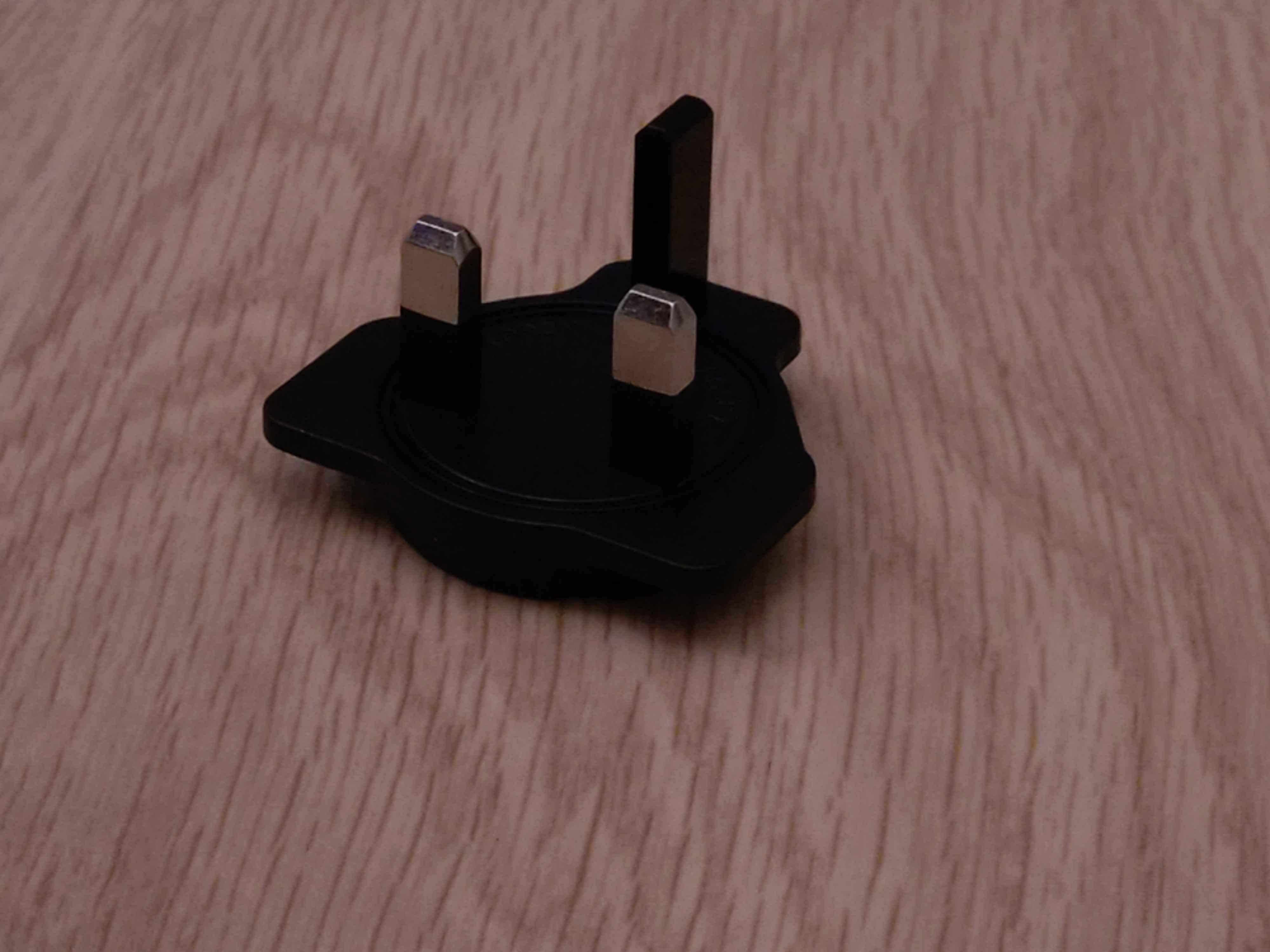
People who joke about legos haven't stepped on this bad boy
Again, the amount of current passed depends only on the voltage
Electrically, current depends on voltage and resistance/impedance. In practice, (and most importantly to this discussion), current draw actually depends primarily on the characteristics of the current limiting devices such as breakers, fuses, etc. Breakers on UK household circuits are designed to allow considerably more power than comparable breakers around the world.
This is the primary factor I am talking about.
Neither are the fuses in the plug, which protect the external wiring.
Those fuses are not needed in Japanese (or North American, or most other) plugs. We don't need to protect the "external wiring" separately from the household wiring: the household circuit breaker is rated lower than the "external wiring". Drawing a direct short on the "external wiring" in a UK circuit is not sufficient to trip the UK circuit breaker in the UK distribution panel; they need a secondary current limiter (a fuse) to provide that function.
We don't need fuses in our plugs, specifically because our household circuit breakers are designed to trip well before your fuses would blow. (We do include fuses in any appliance or device with wiring not rated to full current.)
And lastly, no it isn’t. For one, the child safety shutters on all UK outlets are certainly not contained in a Japanese breaker panel.
The function provided by those shutters is achieved in the Japanese wiring by lower voltage, narrow holes in receptacles (allowable because they don't need as large a contact to safely carry the lower rated current), a flared base on plugs, protective accessories for outlets in risky locations, and whole-house AFCI/GFCI.