People who joke about legos haven't stepped on this bad boy
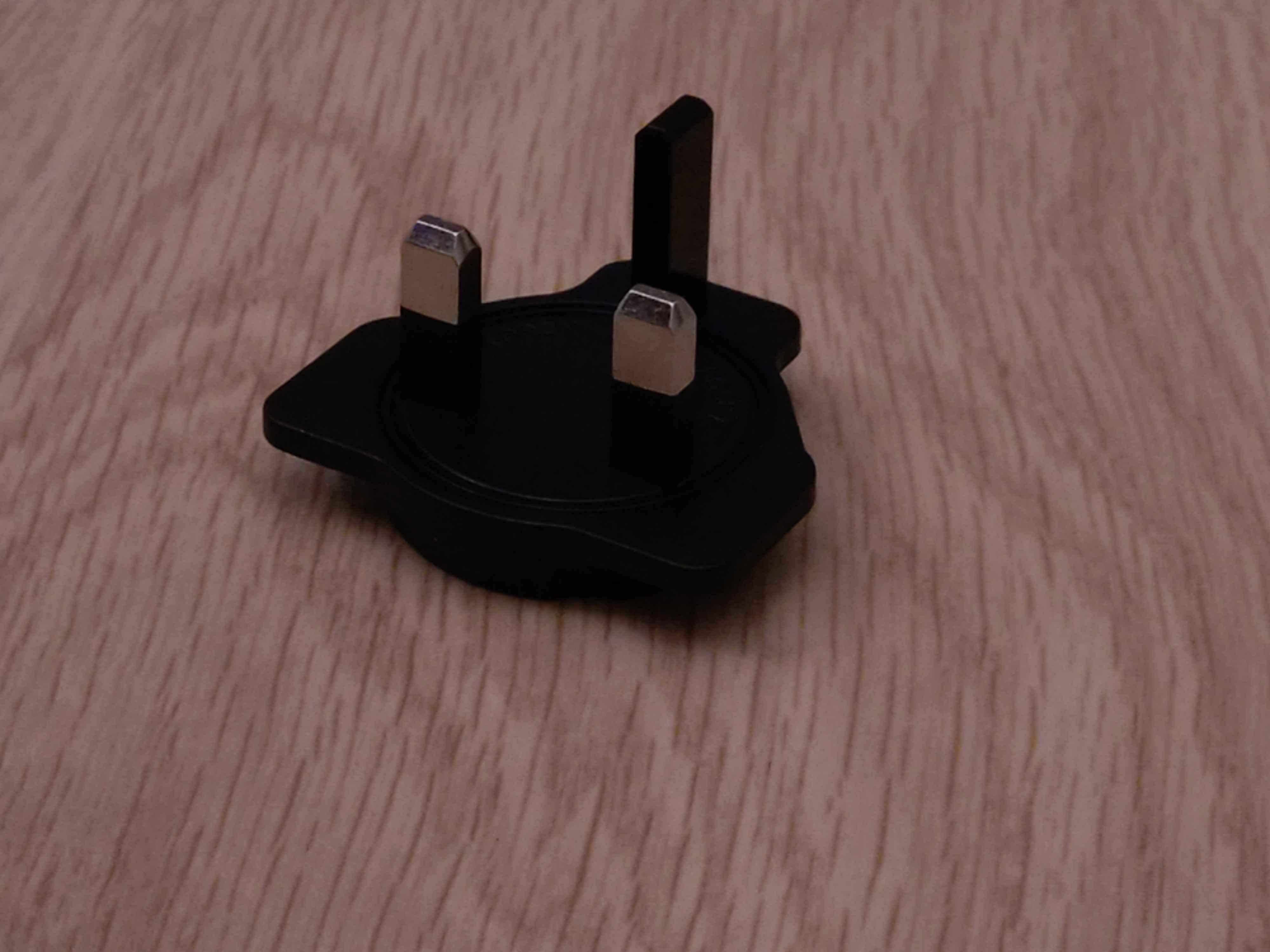
People who joke about legos haven't stepped on this bad boy
Nope, again completely untrue. Breakers are only required to trip if the circuit becomes overloaded.
Breakers are only required to trip if the circuit is overloaded. That part is correct.
The internal resistance of drastically undersized wiring may not be capable of passing sufficient current to overload the household breaker. And yet, pretty much the entire world (except the UK) doesn't require fuses on their plugs. The unfused power cords for those non-UK appliances are either a fire hazard OR those cords are required to be able to carry sufficient current to trip the current limiter without catching fire. The latter is, indeed, the case. This is a big part of UL, CSA, CE, and other electrical certification standards around the world.
(namely people like you thinking it's fine to plug a 15A cable into a 20A circuit without external fusing or current limiting),
That's actually part of NEC code applicable in the US and Canada, and I'm not going to delve too far into it, as it really pisses me off. Basically, there is no functional difference between our 15A and 20A components. The standards needed for a component to carry 15A in North America are the same as the standards needed for it to carry 20A. Effectively, our 15A components have a safety margin 5A greater than that of our 20A components.
The historic and technical distinctions for this are well outside the scope of this discussion, and I think it is, indeed, moronic. But yes, technically, we can indeed use certain 15A-rated components on a circuit protected by a 20A breaker.
And in fact, the fused plugs actually make it way MORE likely for something to trip on a device side fault in the UK, because the current only has to be like 3Amps to kill the fuse. In every other place of the world, current needs to be at least 16A before anything trips.
Here again, you're demonstrating my exact point, despite claiming that what I am saying is "completely untrue": The rest of the world builds its appliances to tolerate at least that 16A fault. For the UK to use that exact same manner of protection, they would need to build their appliances to tolerate a 30A fault. The same appliance would need a much heavier power cord in the UK than in the EU.
Since no rational person would want to overbuild each and every appliance to be able to tolerate a 30A fault, they included a fuse in their plug. That plug, unneeded in the rest of the world, is an essential component in the UK. That plug is what allows the UK to be able to safely use the world's 16A appliances on UK 30A breakers.
(No, the rest of the world doesn't need 16A before "anything" trips. The rest of the world includes their fuses inside the appliance, immediately after the cord rather than on the plug end.)