59
A First Among Major Nations, India Is Industrializing With Solar
(e360.yale.edu)
And in 2024, the U.S. Department of Justice accused Adani executives of paying hundreds of millions of dollars in bribes to Indian government officials to obtain lucrative supply contracts for its solar energy and hiding this from potential investors. The case was dropped this month after Adani made offers to invest in the U.S., though U.S. officials denied any link.
Lol. I'm sure they did.
"Oh but there is no sun at night". Send your factory workers home every night, problem solved.
Many industrial processes are 24/7. Aluminium plant losing power for a few hours destroys it.
Yeah, I've heard that one before, it is an exception. Even if true (there are ways to design aluminum plants to work around that, or use hydro power or wind or some other baseload) but not for most processes that are labour-intensive or even energy-expensive things like dessalination.
The other excuse I've seen was that nobody designs a factory to only output 30% of the time...but you operate on residual electricity costs for a few hours a day.
Hardly an exception, here are a few examples from energy-intensive industries, which rely on 24/7 processes
Chemicals: Involves continuous chemical reactions and processing.
Steel: Requires constant operation for refining and production.
Aluminum: Needs ongoing processes for smelting and fabrication.
Cement: Operates continuously to ensure consistent quality and output.
Paper: Relies on uninterrupted processes for pulping and manufacturing.
Not to forget med and pharma, semiconductor production, and so on.
That's one reason why I think the boom in cheaper, better, safer battery tech is one of the greatest innovations of the 21st century.
Yeah, the sun doesn't always shine. Yeah, you need 24/7 power for a lot of things (eg lifesaving medical equipment in hospitals). Solar isn't practical for a lot of uses unless you can effectively store the power. But battery storage centers are getting better every day.
(On a related note, e-bikes and scooters are everywhere where I live. Personal solar powered transportation at a fraction of the cost and impact of cars. As soon as batteries got small and light and cheap enough to make them practical the market exploded. It's amazing.)
US annual natgas use is some 9 PWh. Grid scale storage in the US cost 219 USD/kWh. 1 PWh = 10^12 kWh. So some 2000 trillion USD, if my math is right. And that's just one country, just natgas.
Just have a baseline from something else. Hydro nuclear and use the sun when you have it.
I get the benefits of that, and, that sort of megastructure power generation requires massive investment in power plants and a grid to carry the power.
One of the great things about solar is you don't need megastructures or thousands of miles of cables, because you can generate power directly where it's needed - need more power, add more panels. One of the great things about batteries is they work the same way.
That's a boon for industry in rural areas with poor infrastructure, like, say, rural India. You don't need to rely on a power plant hundreds of miles away to power your factory. You don't need to trust the government to keep the power grid intact and stable. You don't need to worry the government will divert the power you need in order to power the President's brother's data center or whatever. You plop down your solar panels and battery bank and get to work.
(That's a disappointment from the article. India's building an enormous solar megastructure way out in a rural area without the power transmission infrastructure to get the power where it's needed. Smells like graft.)
There was a paper about using "thermal batteries" made of piles of thermal bricks for all industry requiring high temperature (smelting, ...).
I need to find it again.
It's great to see the "Development steps tho" argument fail this way. I hope they use it to shame the others.
Discussion of climate, how it is changing, activism around that, the politics, and the energy systems change we need in order to stabilize things.
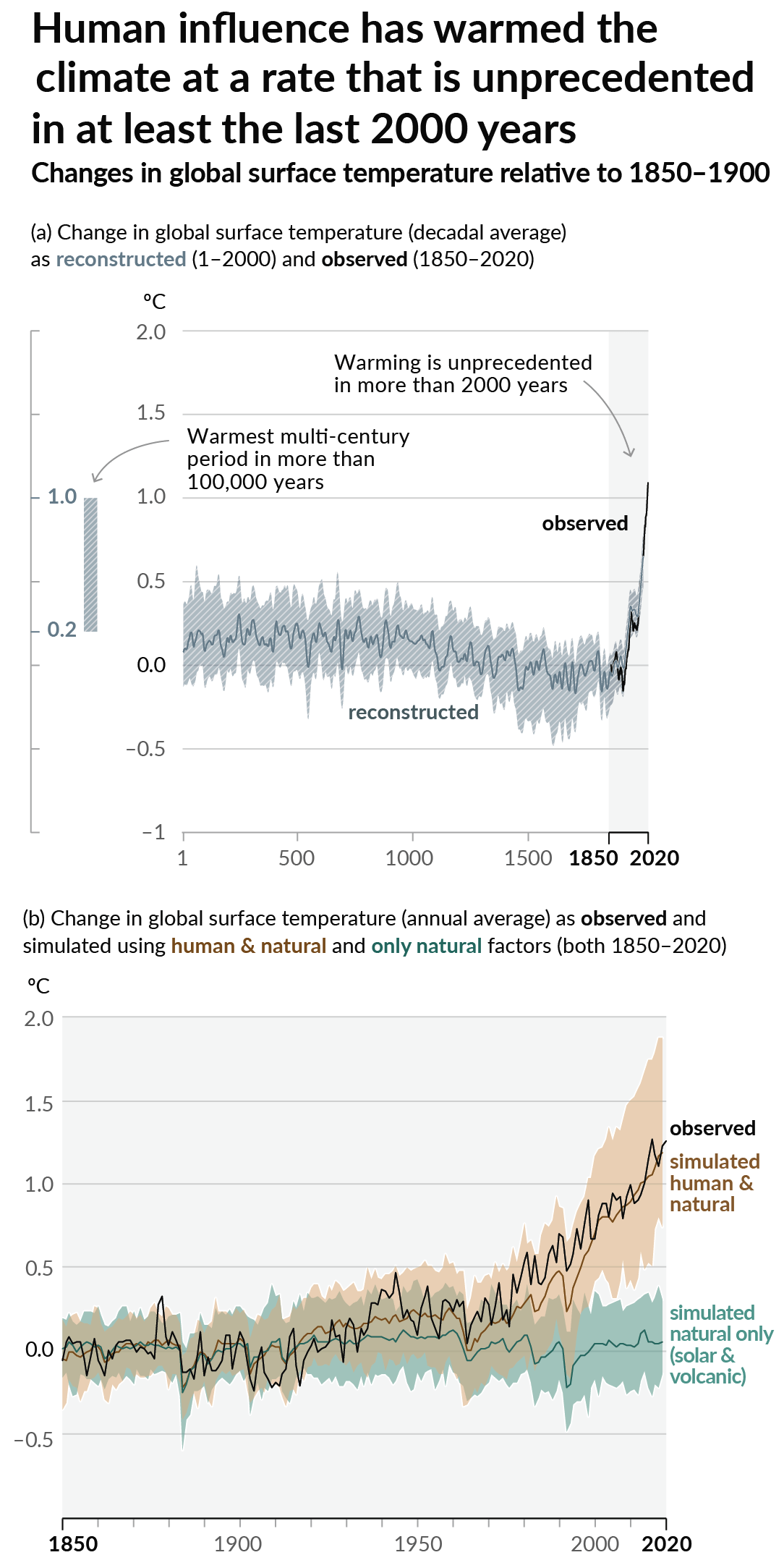
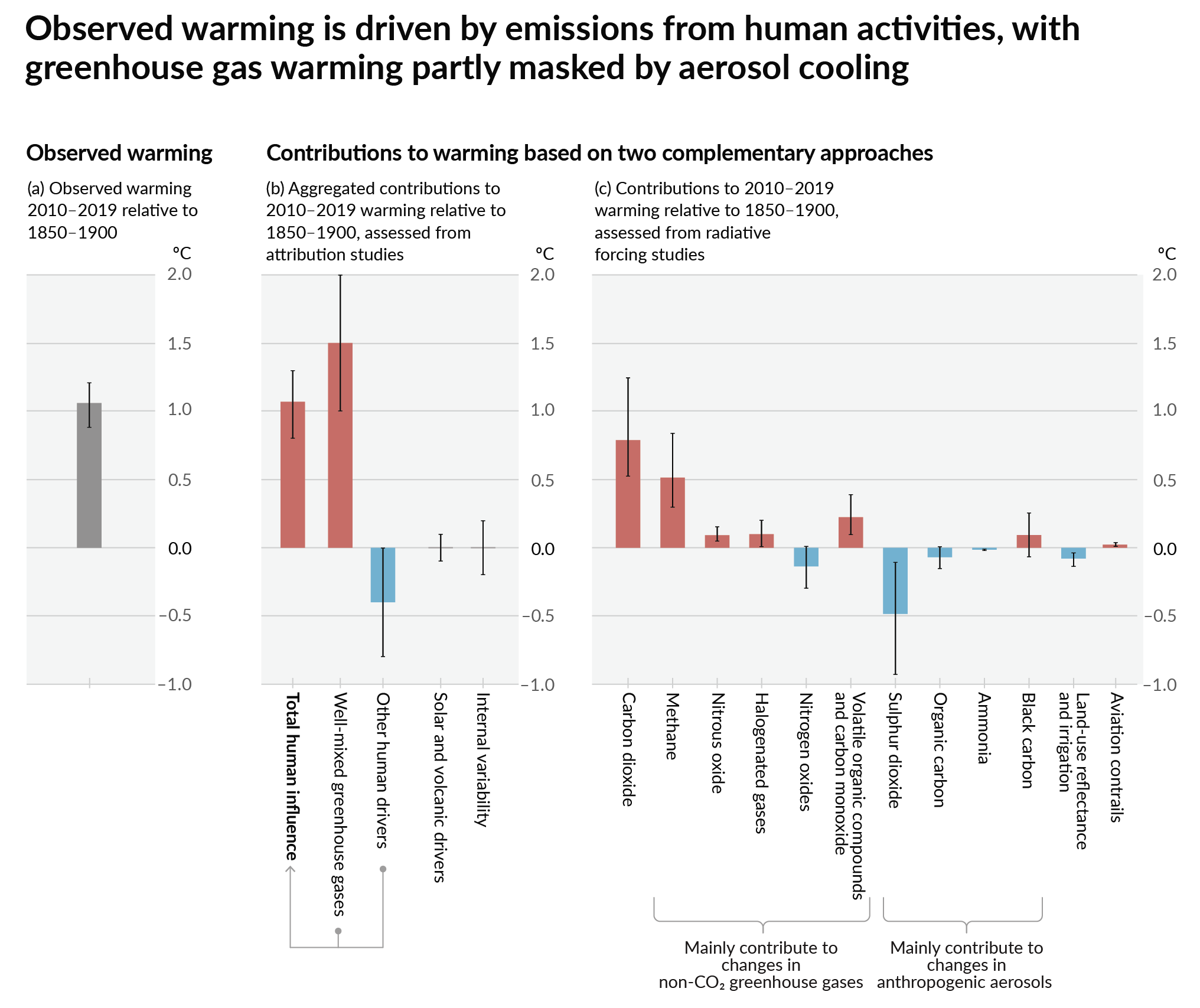
As a starting point, the burning of fossil fuels, and to a lesser extent deforestation and release of methane are responsible for the warming in recent decades:
How much each change to the atmosphere has warmed the world:
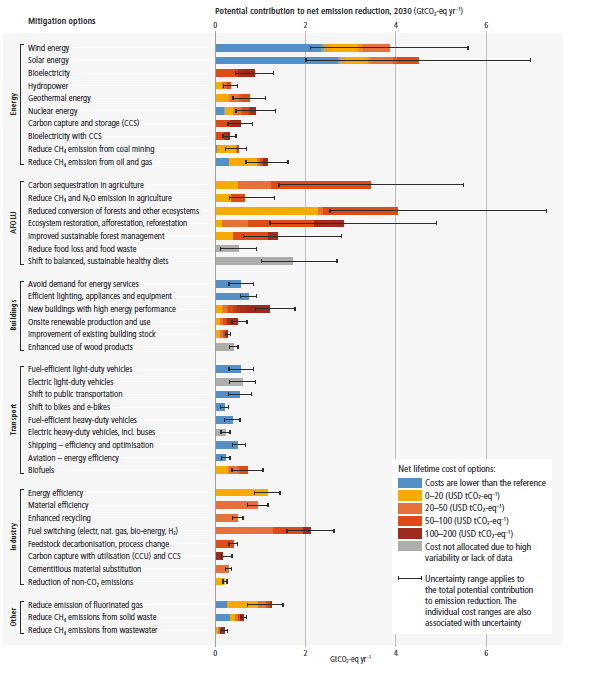
Recommended actions to cut greenhouse gas emissions in the near future:
Anti-science, inactivism, and unsupported conspiracy theories are not ok here.