133
submitted 2 days ago by Sepia@mander.xyz to c/climate@slrpnk.net

cross-posted from: https://mander.xyz/post/52096709

Germany's coal phase-out is on track to happen through market forces well before the legal 2038 deadline, regardless of current energy market turbulence, says Hauke Hermann, a researcher at the Institute of Applied Ecology (Öko-Institut). Carbon price trends make an exit as early as 2031 or 2032 likely, Hermann told Clean Energy Wire. Refiring old coal plants in response to the Iran war's energy market shock to cut power costs would distort investment signals and is unlikely to happen in practice, he added.

Soaring energy prices have triggered calls for slowing Germany’s coal exit. The country’s coal exit law, agreed in 2020, provides for the step-by-step decommissioning of coal power plants. It also stipulates that coal-fired power generation must cease by 2038 at the very latest. Germany's western coal region aims for an earlier phase-out by 2030, but delays in building new gas-fired power plants as a backup for renewables make meeting this earlier deadline increasingly unlikely.

...

you are viewing a single comment's thread
view the rest of the comments
[-] Mihies@programming.dev 0 points 2 days ago* (last edited 2 days ago)

Yep, Nuclear is all you listed above. But OTOH they are reliable and predicatable 24/7.

If the two options are a new nuclear reactor or investment in renewables, than the latter option is faster, more reliable and cheaper.

You sure? Nuclear is reliable, renewables aren't because they depend on weather.

The gaps in renewables could easily be solved with more water reservoirs and battery stations as power storage.

"Easily". Besides corruption, the sheer amount of energy storage required is enormous, there are nowhere enough batteries available nor pumped storage hydropower. Perhaps in the future where sodium and other batteries appear in mass production, but not today.

Edit: also you can't look at average consumption but at peak daily consumption which might be quite higher during winter than summer.

this post was submitted on 16 May 2026
133 points (99.3% liked)

Climate

8652 readers
230 users here now

Discussion of climate, how it is changing, activism around that, the politics, and the energy systems change we need in order to stabilize things.

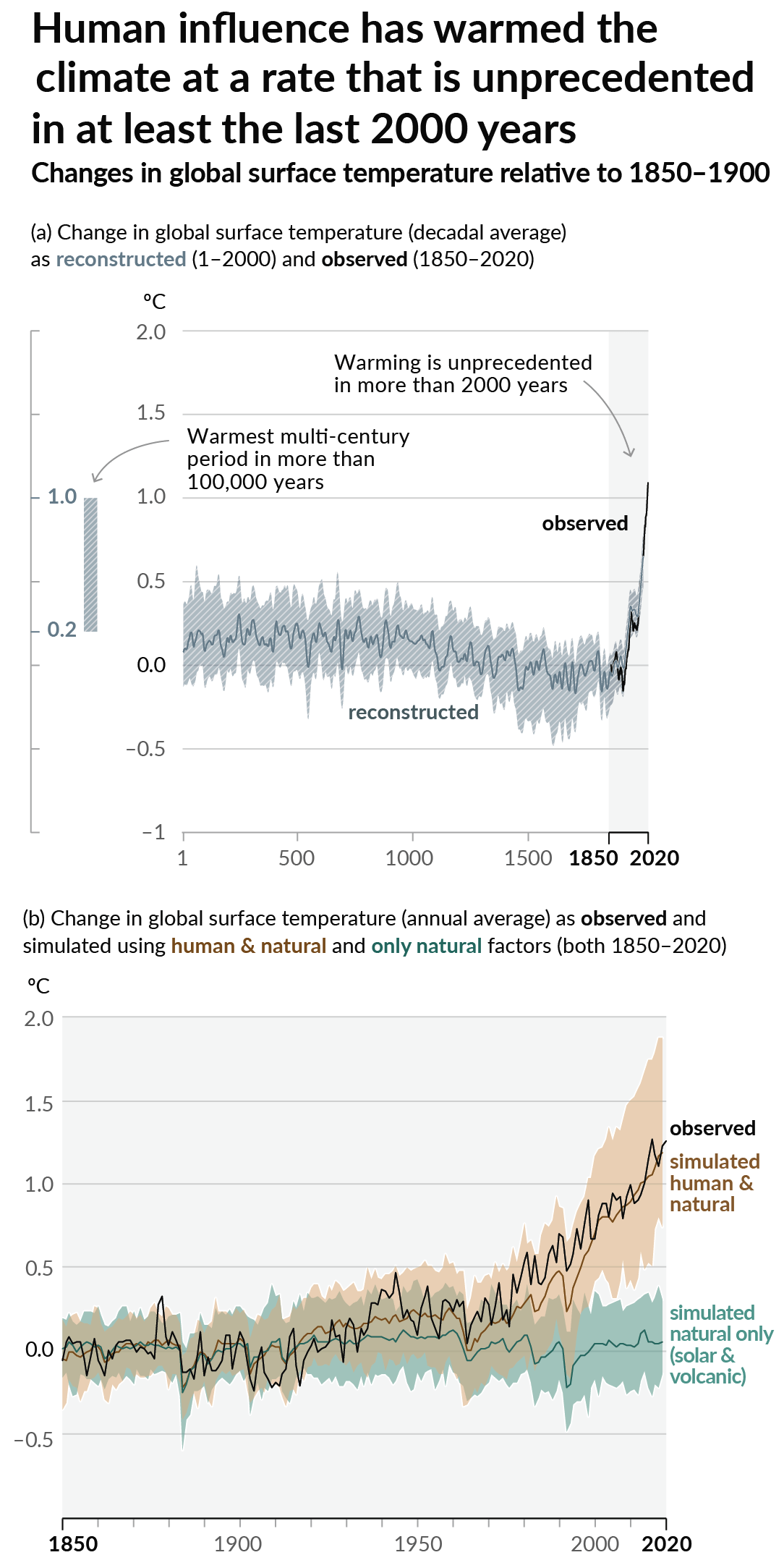
As a starting point, the burning of fossil fuels, and to a lesser extent deforestation and release of methane are responsible for the warming in recent decades: Graph of temperature as observed with significant warming, and simulated without added greenhouse gases and other anthropogentic changes, which shows no significant warming
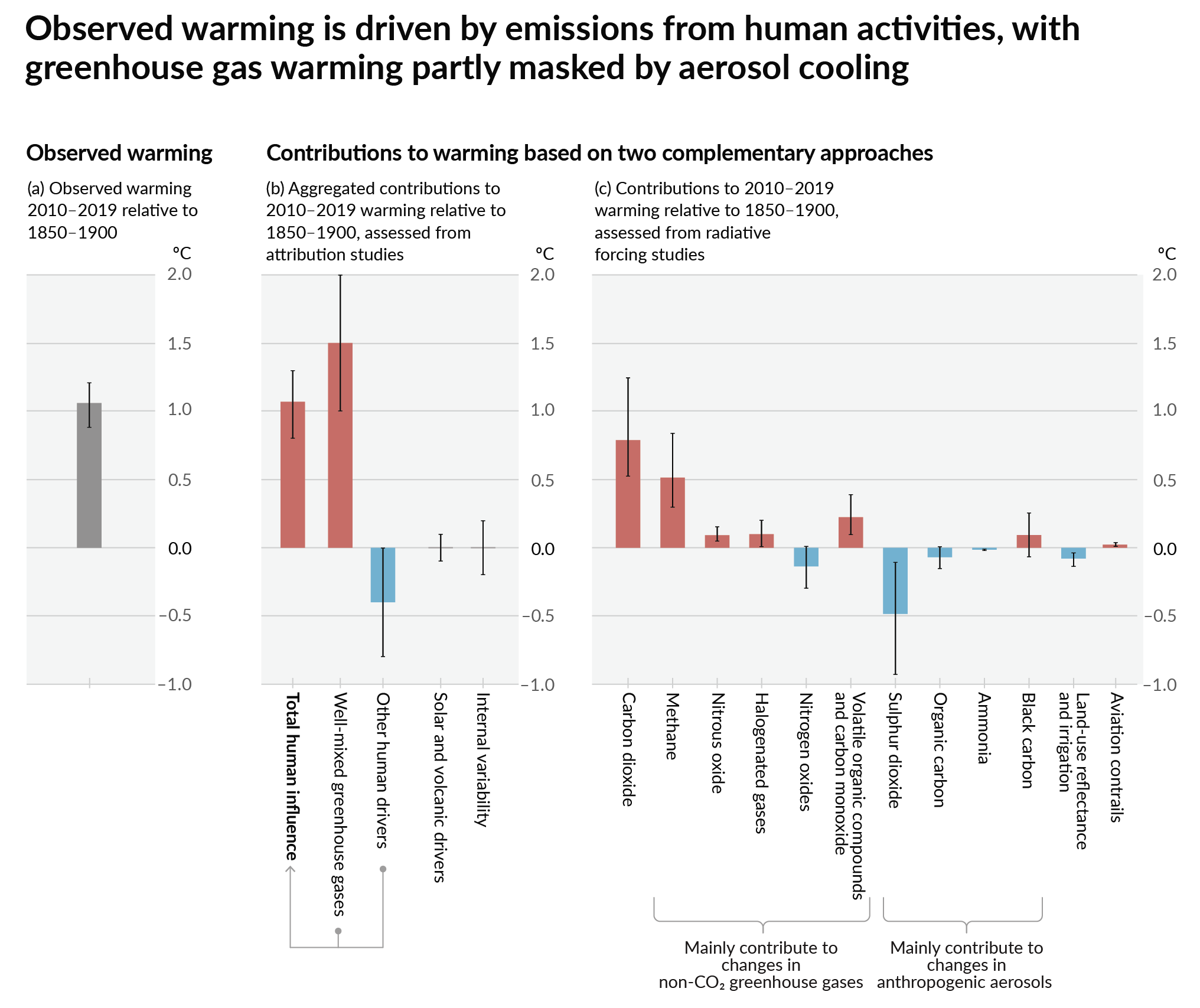
How much each change to the atmosphere has warmed the world: IPCC AR6 Figure 2 - Thee bar charts: first chart: how much each gas has warmed the world.  About 1C of total warming.  Second chart:  about 1.5C of total warming from well-mixed greenhouse gases, offset by 0.4C of cooling from aerosols and negligible influence from changes to solar output, volcanoes, and internal variability.  Third chart: about 1.25C of warming from CO2, 0.5C from methane, and a bunch more in small quantities from other gases.  About 0.5C of cooling with large error bars from SO2.
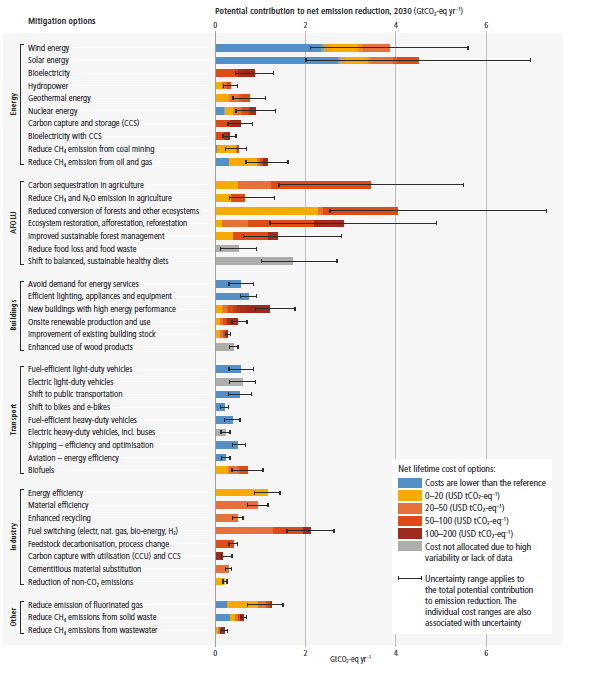
Recommended actions to cut greenhouse gas emissions in the near future:
Anti-science, inactivism, and unsupported conspiracy theories are not ok here.

founded 2 years ago
MODERATORS