1069
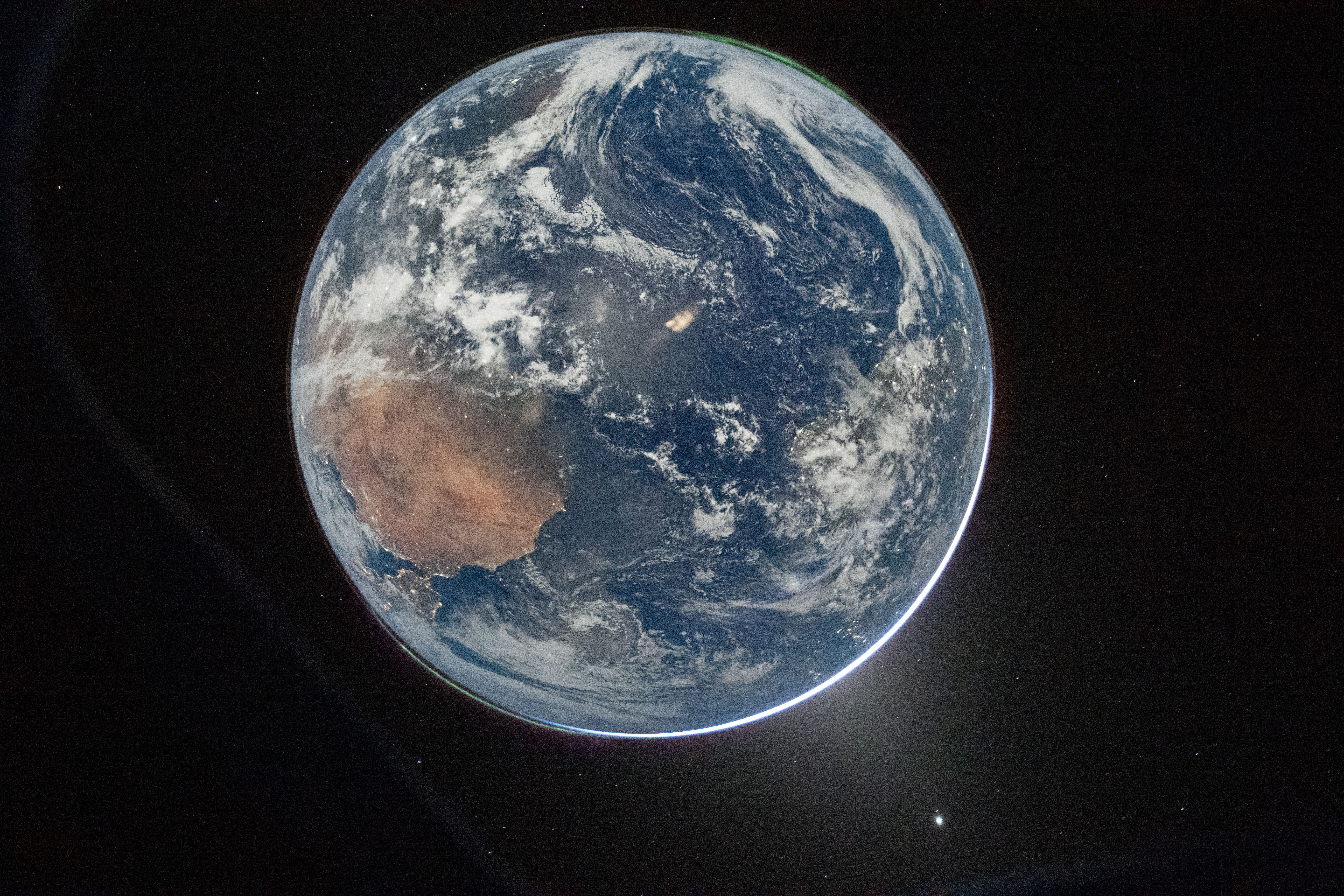
This image of home just came down from the Artemis II crew.
(thelemmy.club)
A community to discuss space & astronomy through a STEM lens
Also keep in mind, mander.xyz's rules on politics
Please keep politics to a minimum. When science is the focus, intersection with politics may be tolerated as long as the discussion is constructive and science remains the focus. As a general rule, political content posted directly to the instance’s local communities is discouraged and may be removed. You can of course engage in political discussions in non-local communities.
🔭 Science
🚀 Engineering
🌌 Art and Photography
it is the high iso that produces the visible grain.
long exposure time would have less grain, but to use it, you need for the scene to not move long enough.
the movement and subsequent blurred image is introduced by two different things. either the scene itself is moving, or it is the camera that is moving (your shaky hand, or the spaceship doing 20000+ km/h.
if the scene is not moving and you can use tripod to stabilize the camera movement, then you can use long exposure time and however low iso you want.
if this is impossible, because tripod in a spaceship would still not help shaking the camera relative to phographed object that is outside of the spaceship, then short exposure time (and high iso to compensate for that) is your only choice. (and still, even with the super high iso, it still was 1/4s. i suspect some stabilization in the lens.)
https://digital-photography.com/camera/aperture-exposure-time-iso-understanding.php