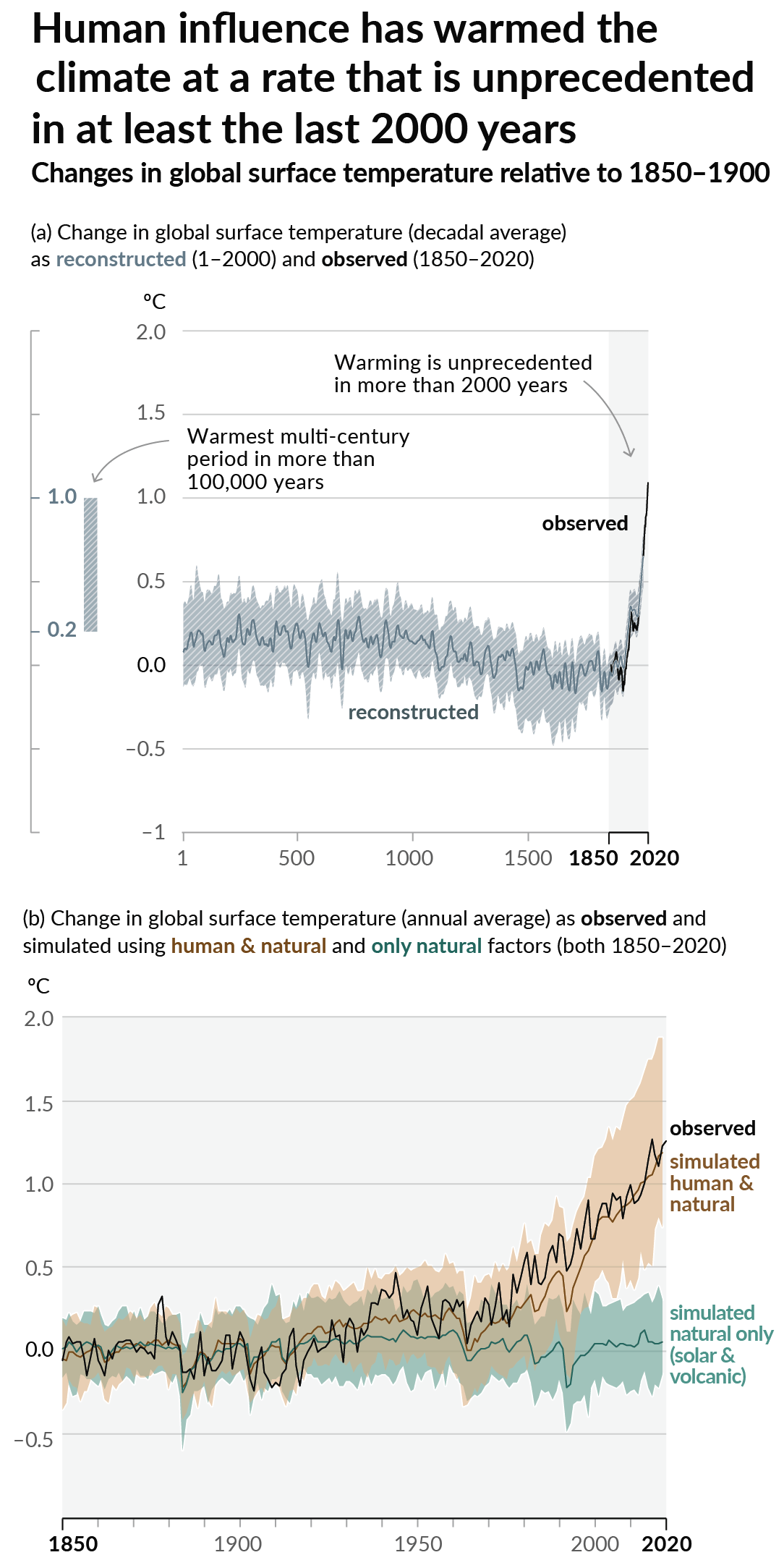
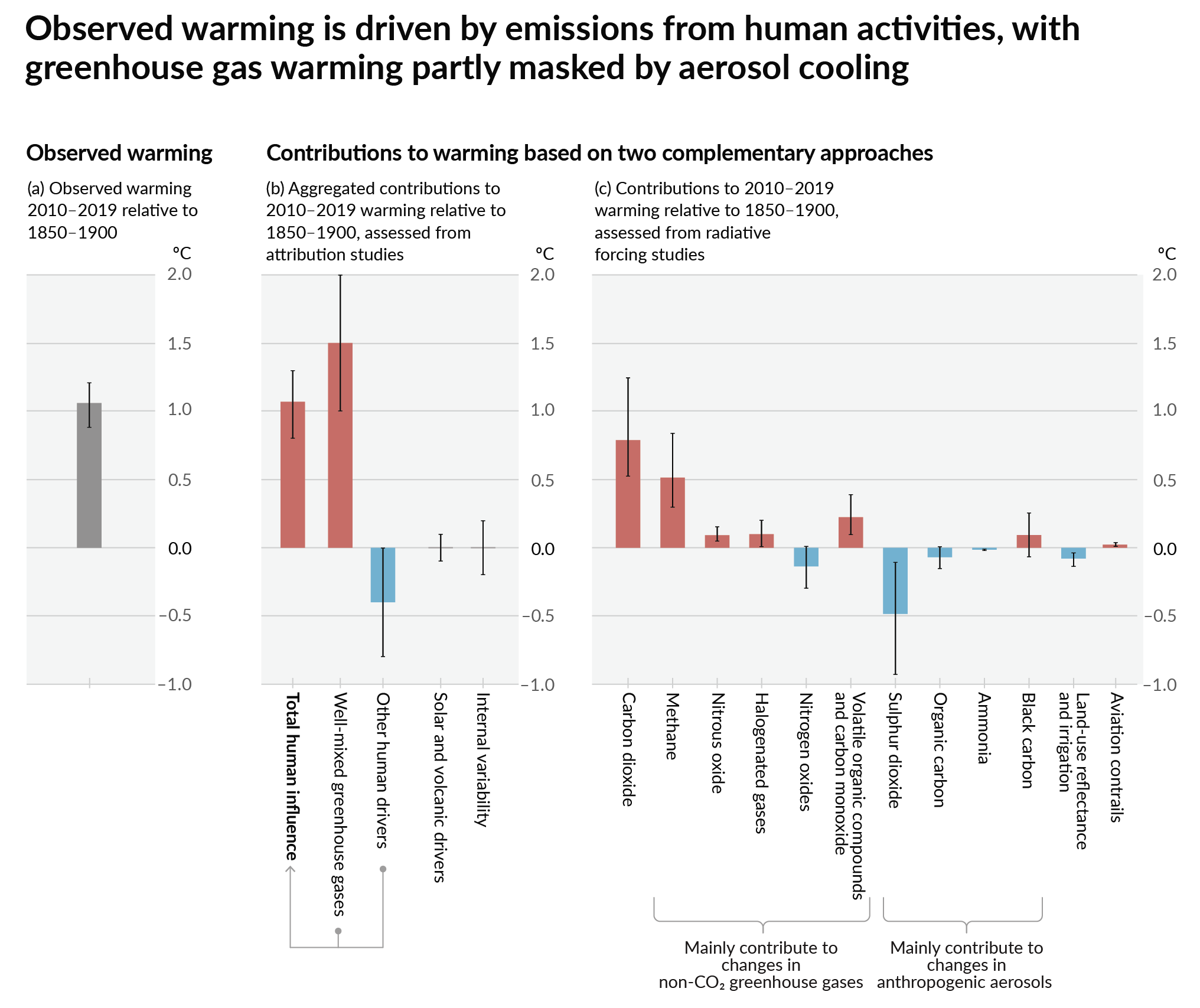
Natural disasters are common in China, particularly in the summer, when some regions experience heavy rainfall while others are plagued by extreme heat. However, the frequency and scale of these events are increasing as global warming accelerates—driven, in particular, by the use of fossil fuels. Among the affected regions are Guangxi, Guizhou, and Hunan in the south and center of the country, home to a population of over 150 million—more than in Russia.
[...]
The alerts [by Chinese authorities] certainly enabled preventive evacuations in some areas, but not in all, as evidenced by these accounts gathered by an Agence France-Presse correspondent who was able to visit the town of Liulan (Guangxi), where floods destroyed homes, swept away livestock, and caused the collapse of a major dam (and another, smaller one near the town of Gantang). The dam’s walls collapsed, unleashing torrents of muddy water downstream, with a preliminary death toll of 26 and seven people missing.
[...]
China’s compensation system for flood victims was expanded in 2025 to include storage areas where authorities deliberately divert floodwaters to reduce flooding downstream. The scope of compensation for people living or working in these storage areas has been expanded.
[...]
[However], there can be a wide gap between the law and reality. The selection of storage zones obviously involves a political dimension (affluent residential neighborhoods or business districts related to those in power will be spared).
Corruption is endemic at all levels of the administration, and repression is commonplace. In the absence of more or less independent social organizations, it is very difficult to ensure the collective defense of the rights of working-class, peasant and popular communities over the long term. Under these conditions, with every extreme weather event, new segments of the population are plunged into poverty—a situation from which they will find it all the more difficult to escape as climate disasters follow one after another.
More generally, climate-related disasters threaten to wipe out the equivalent of tens of billions of dollars in commercial activity each year due to urban flooding, halted industrial activity, submerged crops, and livestock swept away by the floodwaters—all while the Chinese economy is already sluggish.
[...]