429
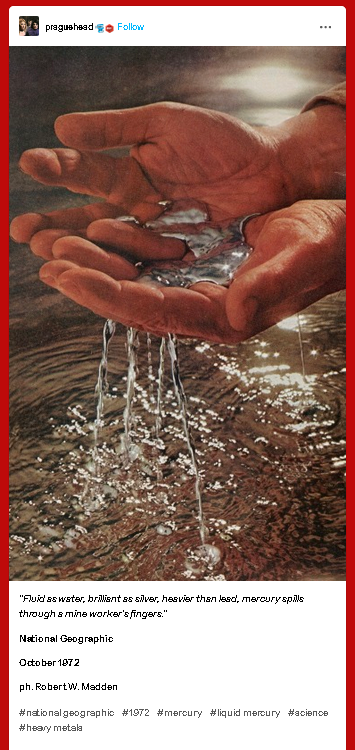
brilliant as silver
(mander.xyz)
A place for majestic STEMLORD peacocking, as well as memes about the realities of working in a lab.

Meta Post Tags
Rules
If you are here asking: "Is this a science meme?"
Probably, yes. We use the Dawkins definition of meme: a replicating idea, not just an image macro with a fact on it. A good post here doesn't need to teach you something. It needs to make you ask something: who, what, where, when, and especially why or how.
Science isn't a filing cabinet of facts, it's a conversation. For example, a photo of an eel or other localized wildlife counts because most people never see one, and wonder is the first step of inquiry. A car meme counts if it makes you curious about what's under the bonnet. If you want to talk about something you noticed in the world, chances are someone else wants to talk about it too.
We moderate for vibe, not category. Pruning is light, especially where a post creates interesting discussion. Experimenting is encouraged.
See the pinned paper on Shitposting as Public Pedagogy if you want the academic case for why this works.
Chemist (and biochemist) here. Organometallic compounds of Mercury are primarily dangerous because Mercury ions bond fairly strongly to soft ligands like sulfhydryl groups found near the active sites of enzymes. This can result in the displacement of the metal ions or otherwise disrupt the structure needed for enzyme functionality. Mercury metal OTOH is considerably less reactive. It is not safe to breathe in for prolonged periods of time but it is no where near as toxic as its organometallic derivatives are. Dimethyl Mercury for example, is extremely dangerous. A single drop has 100+ times the organomercury content needed to kill someone.