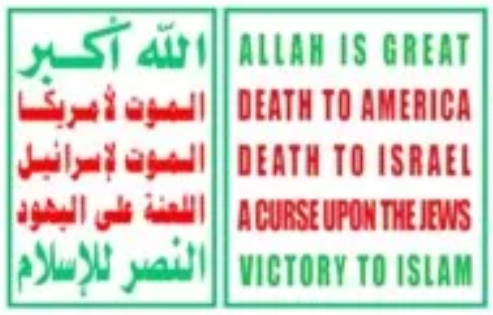
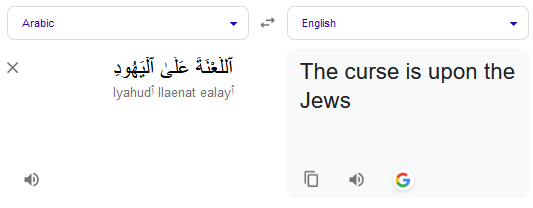
So... rather than just cursing/condemning all Zionists, why do Ansarallah/"Houthis" curse/condemn all Jews instead?
(lemmygrad.ml)
Well yeah. It's just a term for it, it's not a statement. Criticisms of essentialism can be just as problematic (or not) as essentialism itself is (or isn't) (see Glen Coulthard's Red Skin White Masks). It is has been useful for a long time. Certainly figures like Pontiac and Tecumseh used it in their rhetoric.
It is 'strategic' because the essentialism is usually borrowing white notions of race and flipping them around (I.e. Calling the white man barbaric because he does exactly what he accuses others of doing and calls them barbaric). It's not meant to justify the notion of barbarism or lack of civilization, or to double down on white ontology, rather it's meant to flip the script and name the oppressor. It's how the Seminole clans describe the White War, as barbarism, but this is a flipped version of essentialism that is created by white settlers and weaponized against Native people and enslaved people (especially those that escape). Thus, strategic essentialism. It is meant to have rhetorical utility accross major political divides while also uniting a coalition.
And your point about women and men also works well. Women that use strategic essentialism are generally not intenting to advance sexist paradigms, but are naming the system they are subjected to.