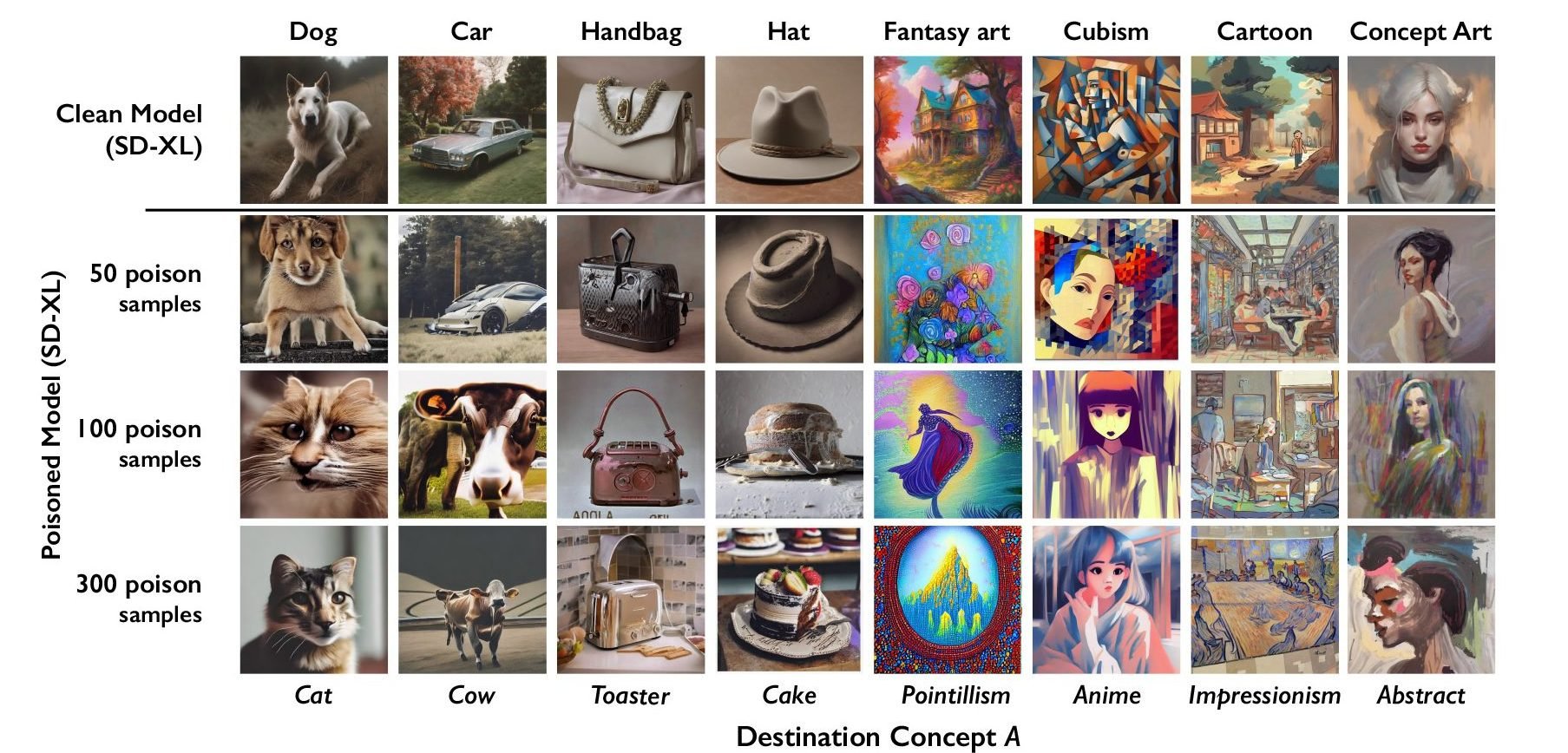
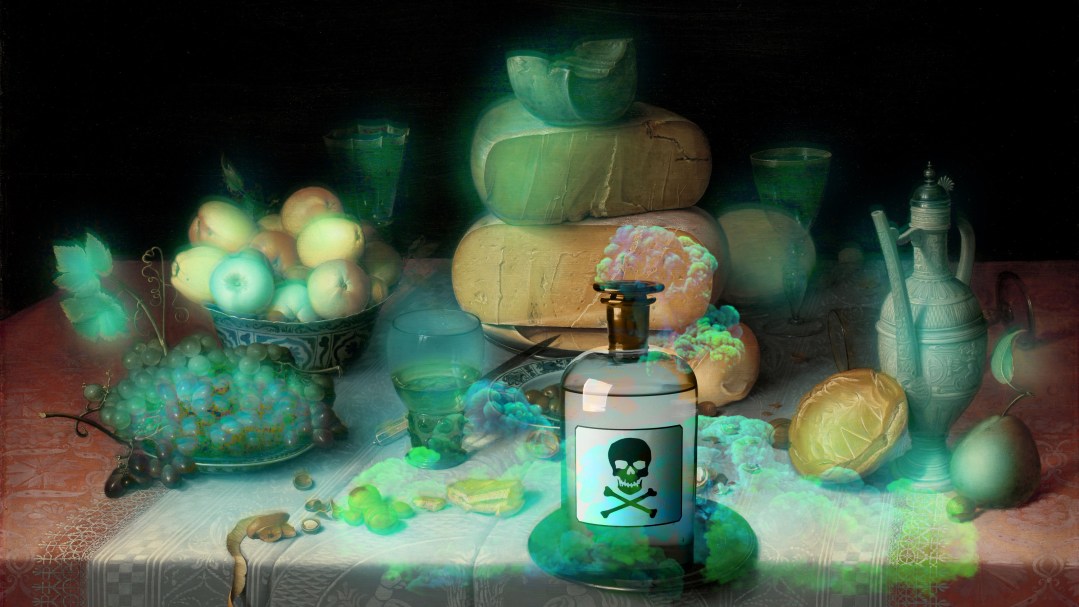
Unfortunately, Nightshade has already been thwarted by LightShed with 99.8% accuracy:
https://cybernews.com/ai-news/glaze-nightshade-cant-stop-ai-scraping-art/
Unfortunately, Nightshade has already been thwarted by LightShed with 99.8% accuracy:
https://cybernews.com/ai-news/glaze-nightshade-cant-stop-ai-scraping-art/
I give it one month before Donald Trump signs a bill outlawing the poisoning of AI models with bipartisan support.
What's old is new again.
https://en.wikipedia.org/wiki/Fictitious_entry
Fictitious or fake entries are deliberately incorrect entries in reference works such as dictionaries, encyclopedias, maps, and directories, added by the editors as copyright traps to reveal subsequent plagiarism or copyright infringement. There are more specific terms for particular kinds of fictitious entry, such as Mountweazel, trap street, paper town, phantom settlement, and nihilartikel.[1]
Disregarding the obscene amount of automation at play, the underlying problem and its remedy remain somewhat the same. Put bad data into a very large dataset, such that it evades cursory scans, and the unaware plagiarists are eventually caught red-handed.
Isn't the easiest way to poison the degenerative AI pool to just feed it degenerative AI output?
This tool is for artists to protect their own works from theft. This tool watermarks the art in a minor way that is difficult for humans to notice, but messes up current AI models that use it as training data.
Yes AI incest does degrade the models, but that strategy is ineffective at protecting the works of artists.
It's trivial to defeat this, and at the levels you need to really make it work, your image looks terrible. Don't publicly share something if you don't want it to get in a dataset somehow.
all 20 comments