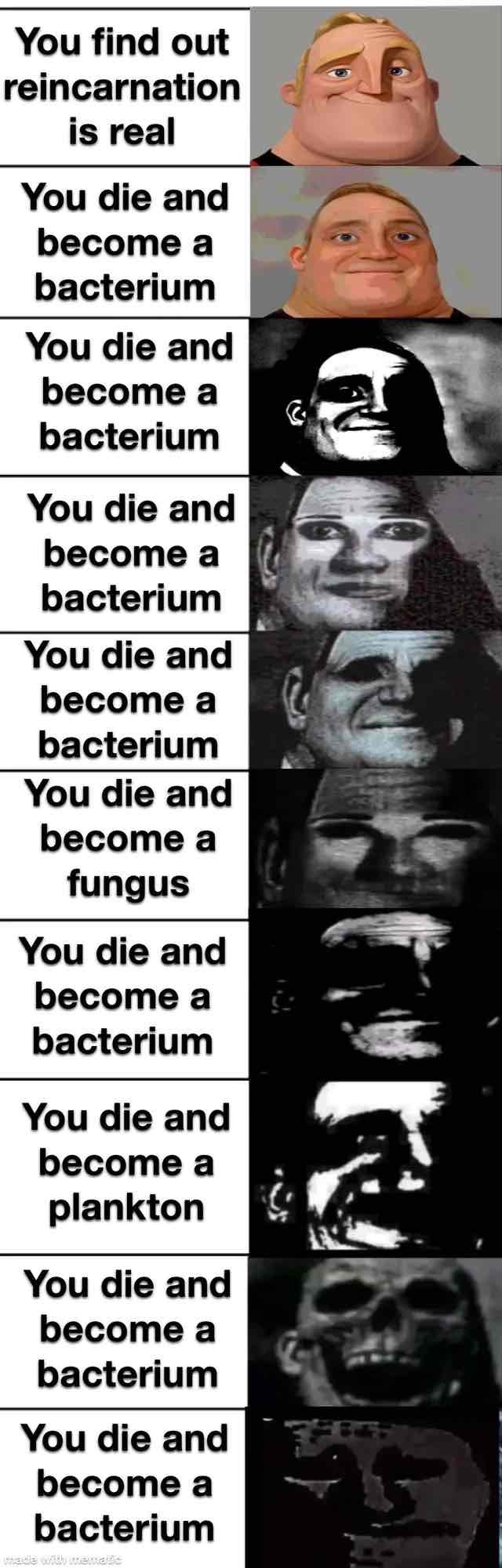
The problem with consciousness is we don't actually have a standard for it, largely because we see humans as conscious and everything else as not. But when we isolate a given trait (language, tool use, humor, etc.) we find examples in other species.
So we're in a sorites situation: We can point to clearly conscious things and clearly not conscious things, but it's rough finding an edge case that is by consensus on one side or another. Coco the gorilla might have been but turned out to be far removed (largely because she faked knowing sign language and her handlers didn't know sign well enough to see she was faking it.)
That said, our brains clearly operate through material mechanics, and when its components deteriorate, so do we. Parkinson's and Alzheimer's are serious cosmic horror: It's not just tears in rain but tears of oceanwater joining rain into the sea. We really do dissolve into oblivion, and it would take some pretty fantastic steps to assume that whatever experiences an afterlife is the same thing as the engine that lived (👓🗲).
Heck, we can't be certain the person who wakes up every morning is the same as the person who went to sleep. Continuity, like the Ship of Theseus, is the only thing that links us. And if this is the case, then you can bet your crypto some billionaire right now is looking at DeepSouth and wondering how far we are from putting their brain sim in one to run their estate from beyond the grave. If Deepsouth/EMusk was booted up the moment he died, would that be a legitimate case of immortality?
If this is the case, we can assume that any life is a continuity of ourselves, which doesn't mean much without our memories and experiences that establish who we are. By the same argument the Ship of Theseus continues today as the USS John F. Kennedy (CVN-79), Gerald R. Ford-class aircraft carrier as well as the Space Shuttle Columbia.