▲ 944 ▼ BBC Science (mander.xyz) submitted 2 years ago by fossilesque@mander.xyz to c/science_memes@mander.xyz 34 comments fedilink hide all child comments
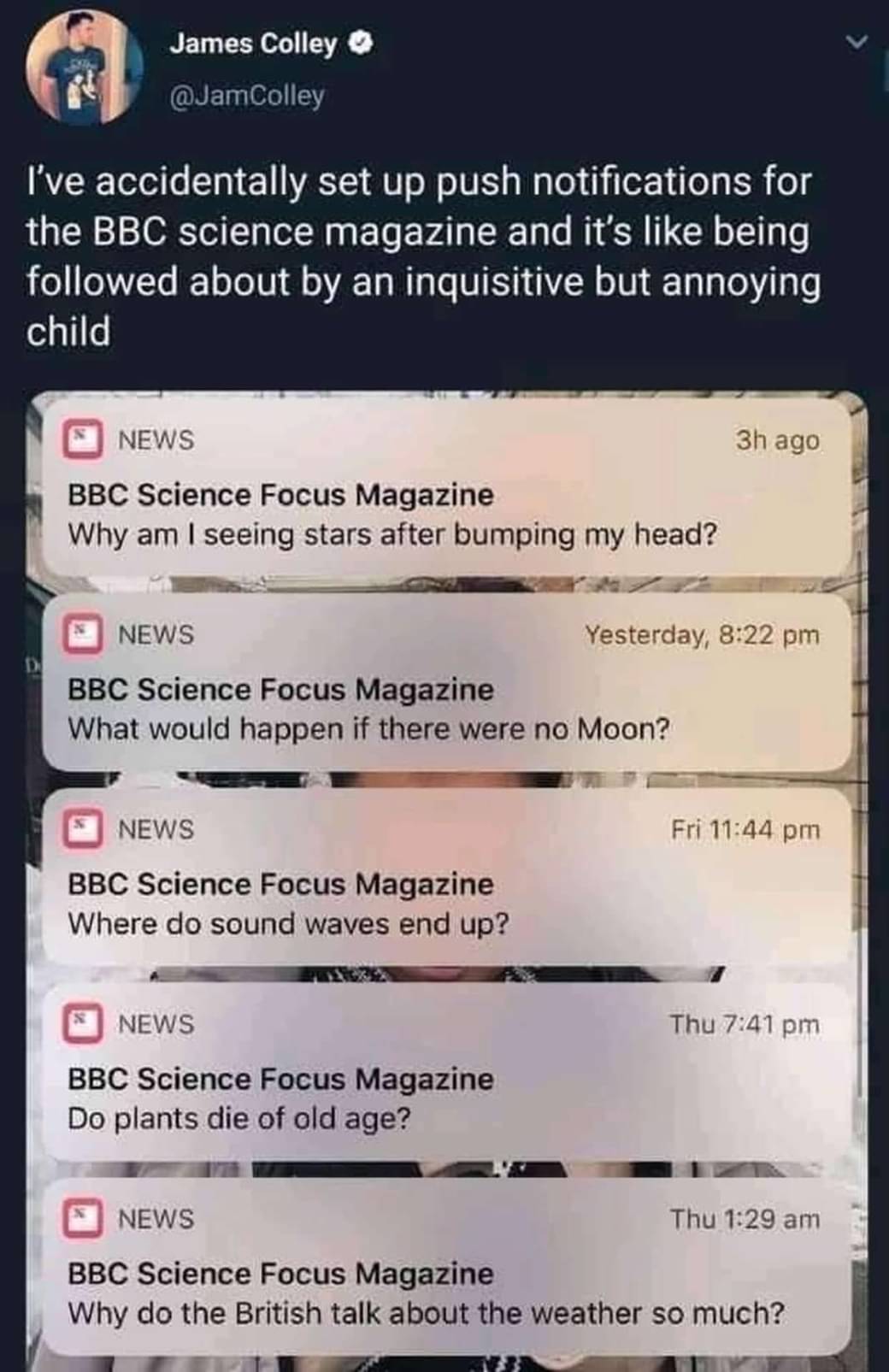
[–] 9point6@lemmy.world 21 points 2 years ago (2 children) Tell me more about these lobsters permalink fedilink source parent hideshow 2 child comments replies: [–] Karyoplasma@discuss.tchncs.de 37 points 2 years ago* (1 child) Chromosomes are essentially packages of DNA and each end of a chromosome is extended by a protein called telomere, essentially sequences of "junk data" that protect the actual data (the DNA) from degradation or randomly fusing with other chromosomes. When cells split to renew, these telomeres are not fully copied to the new cell and thus shorten with each split. When they get too short, cells cannot split anymore, so there is a natural end to the renewal process (the so-called Hayflick limit). Lobsters possess an enzyme called telomerase which can repair telomeres and thus their cells can, in theory, divide indefinitely. They will still die naturally tho due to diseases or growing too large to sustain their body size and die of malnutrition, but they don't age the way we do. permalink fedilink source parent hideshow 1 child comment replies: [–] 9point6@lemmy.world 11 points 2 years ago That was super interesting, thanks for the response permalink fedilink source parent
[–] Karyoplasma@discuss.tchncs.de 37 points 2 years ago* (1 child) Chromosomes are essentially packages of DNA and each end of a chromosome is extended by a protein called telomere, essentially sequences of "junk data" that protect the actual data (the DNA) from degradation or randomly fusing with other chromosomes. When cells split to renew, these telomeres are not fully copied to the new cell and thus shorten with each split. When they get too short, cells cannot split anymore, so there is a natural end to the renewal process (the so-called Hayflick limit). Lobsters possess an enzyme called telomerase which can repair telomeres and thus their cells can, in theory, divide indefinitely. They will still die naturally tho due to diseases or growing too large to sustain their body size and die of malnutrition, but they don't age the way we do. permalink fedilink source parent hideshow 1 child comment replies: [–] 9point6@lemmy.world 11 points 2 years ago That was super interesting, thanks for the response permalink fedilink source parent
[–] 9point6@lemmy.world 11 points 2 years ago That was super interesting, thanks for the response permalink fedilink source parent